

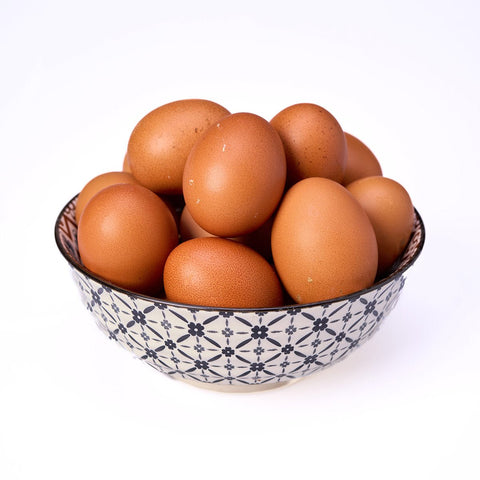
When we buy eggs from a farmer or a trusted farm, the first question that comes to mind is: how long do fresh eggs really last? In this article, we focus on the shelf life of fresh eggs (from a farmer or a farm like ours), explaining why they can last so long and what makes our farm's eggs special.
Shelf life of fresh eggs: what theory (and legislation) says
Regulatory standards dictate that fresh Category A eggs have a minimum shelf life of 28 days from the laying date. This is the reference used for packaged eggs, where the expiration date and, often, the laying date are indicated on the box. For the first nine days, eggs can be considered "extra fresh," after which they continue to be considered fresh until the end of the 28 days.
For farmer's eggs, the principle remains the same: a good shelf life for fresh eggs, under proper storage conditions, is around 21–28 days from laying. This is due to the egg's structure: the shell is porous, but covered by a thin natural cuticle that protects it from bacteria. Over time, some of the water contained in the egg white evaporates and the internal air space increases, while the sensory and nutritional characteristics begin to decline.
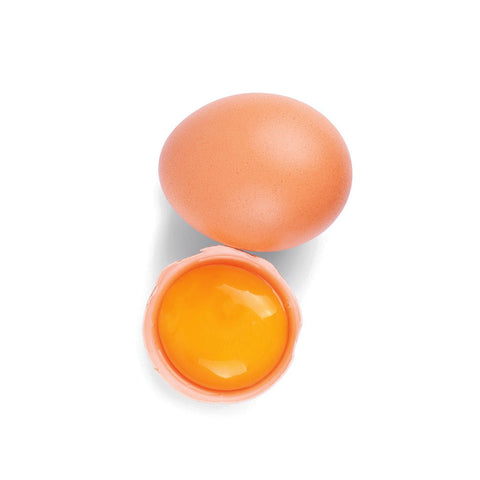
If eggs are stored properly, their actual shelf life can even be slightly longer, but it is important to distinguish between "optimal quality" and "mere edibility." A recently harvested farmer's egg, consumed within a few days, will have a high, firm yolk, a dense egg white, and a nutritional profile at its maximum potential, as we also explain in the articles dedicated to eggs and health and egg benefits.
To better orient yourself, it is always useful to learn how to read the egg code, especially when switching from supermarket eggs to those purchased directly from the farm: knowing the category and origin helps you to give a concrete meaning to the shelf life indicated or communicated by the producer.
How long do fresh farmer's eggs really last?
Practically speaking, the shelf life of fresh farmer's eggs depends primarily on two factors: the storage temperature and the time since they were laid. If the eggs are freshly collected and stored in a cool, dry place away from direct light, they can maintain good quality for one to two weeks at room temperature, especially in the cooler months. In the refrigerator, they can easily last up to 3–4 weeks after they were laid, as long as they are not subject to sudden temperature changes and are handled with care.
In our in-depth article on refrigerated eggs, we explain why a constant temperature, typically around 4°C, slows spoilage and microbial growth, helping preserve freshness and safety for longer. It's important to remember, however, that if farmer's eggs haven't been washed, keeping the shell intact and clean without rubbing it excessively helps maintain the protective cuticle that extends their natural shelf life.
From a safety standpoint, common sense suggests a few precautions: if you intend to consume raw or undercooked eggs, it's advisable to use them within the first 7–10 days after they're laid, choosing only the freshest eggs, especially if you're around children, the elderly, or people with weakened immune systems. If, however, the eggs are consumed well-cooked, the time frame is extended and closer to the recommended 21–28 days, provided their odor and appearance are normal. In our article on what happens if you eat eggs, we delve into the relationship between freshness, digestibility, and the body's response.
The topic of shelf life also intersects with articles dedicated to the negative effects of eggs and eggs and cholesterol: it's not just the quantity of eggs consumed that makes a difference, but also their quality and the time elapsed since they were laid. Fresh, well-preserved eggs from the farmer, included in a balanced diet, easily meet the recommendations on how many eggs per day are reasonable and whether it's sustainable to eat eggs every day.
If you want to learn more about how to recognize freshness beyond simple dates, we recommend the article dedicated to fresh eggs, where we go into detail about yolks, egg whites, and small home tests.

Nu'ovo fresh eggs: a short supply chain and superfoods
When we talk about the shelf life of fresh eggs at Favella, we're not just repeating theoretical numbers: we can count on the shortest possible supply chain. Our eggs come from hens raised on our farm, in the Sibari plain. The hens roam in large spaces, following methods we explore in more detail in our articles on free-range eggs and cage-free eggs, and they are fed what we grow ourselves in our fields.
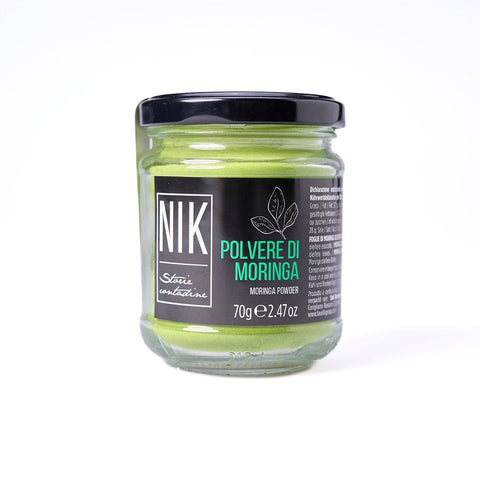
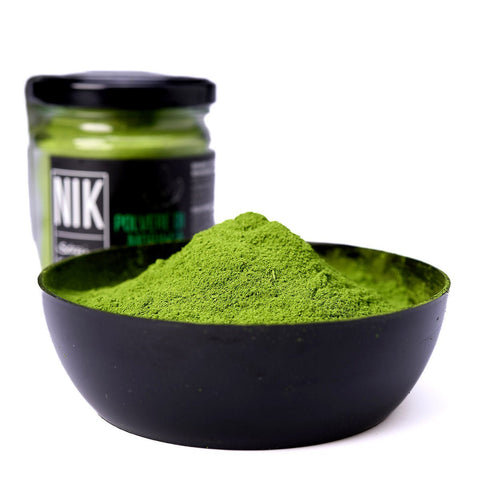
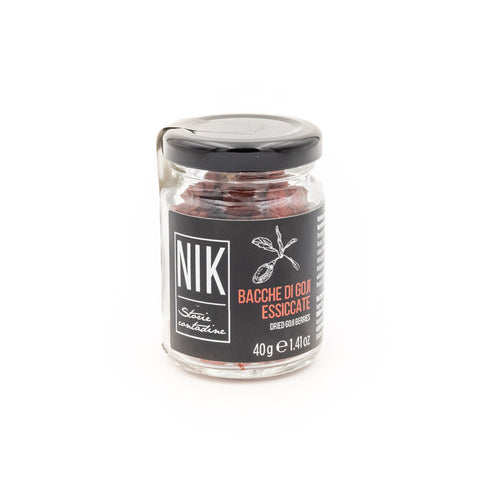
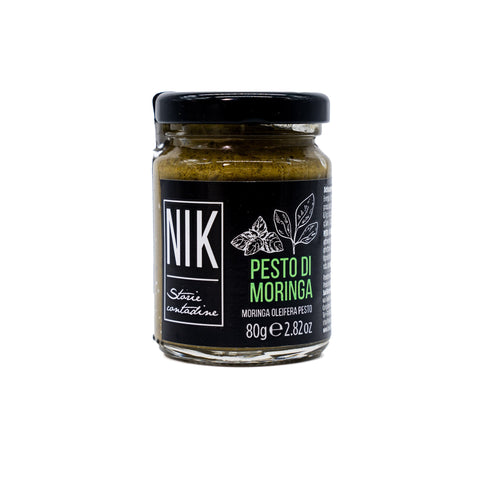
Nu'ovo fresh eggs are naturally enriched thanks to a diet that includes goji berries and moringa oleifera, both of our own production. In our article, "Goji Egg and Moringa," we explain how this dietary choice transforms the egg into a true nutritional food, with significantly higher carotenoid and antioxidant content than a regular egg.
This means that, given the same shelf life, a Nu'ovo egg retains a high-level nutritional profile for longer. The combination of frequent harvesting, short time between laying and shipping, proper storage, and high nutritional value means that the "useful shelf life" of our fresh eggs isn't just an abstract figure, but a period during which the egg remains truly good, rich, and functional for the body.
For those who want to make an informed choice, the article dedicated to buying eggs offers a comprehensive overview of what to look for on labels and in the product's history, while the articles on eggs and health and what happens if you eat eggs help you place eggs within a balanced lifestyle.
In short, fresh farmer's eggs, if collected from a transparent supply chain, properly stored, and consumed within a reasonable time, can guarantee safety, flavor, and nutritional benefits. Our Nu'ovo fresh eggs add the power of superfoods Goji and Moringa to all this, offering not only shelf life but also a unique value among Italian eggs.






Comments (0)
There are no comments for this article. Be the first one to leave a message!