

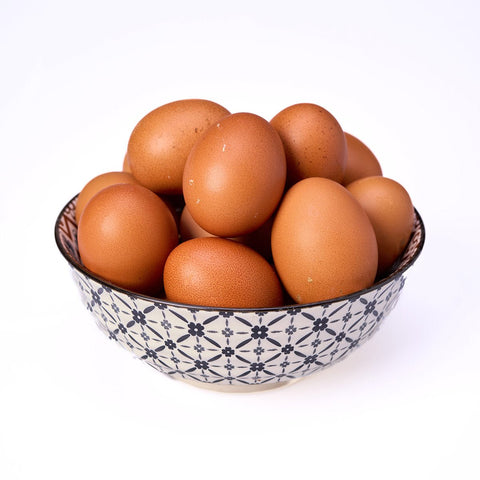
The question many people type into Google is always the same: how do you know if eggs are fresh? Understanding what you have in your hands isn't just a question of flavor, but also of safety and nutritional quality. In this article, we'll look at the most reliable signs of freshness and how to make your choice, including our Nu'ovo fresh eggs, naturally enriched with goji and moringa.
How to Tell if Eggs Are Fresh Before Cracking Them
The first clue to the freshness of eggs is found directly on the packaging. The label should always include the laying date and the best-before date. Eggs are considered "extra fresh" for the first few days after being laid, then simply "fresh" for about three weeks. The closer you get to the indicated date, the less fresh they are, although the egg can still be safe if stored properly.
To determine if your eggs are fresh, a popular home test is the water test. Immerse the egg in a large bowl of cold water: if it stays flat on the bottom, it's very fresh; if it tends to rise, it's less fresh but generally still usable, especially if well-cooked. If it floats to the surface, it's best not to eat it. This behavior is due to the increase in air volume inside the egg over time.
Another little trick is the "sound test": gently shaking the egg near your ear, a very fresh egg will not emit any perceptible noise, while an old egg may give the sensation of internal movement. It's not a scientific method, but it can provide some additional guidance when you're unsure.
Finally, remember to always check how you've stored your eggs. In our article on eggs in the refrigerator and how log fresh eggs last, we explain why it's important to keep them at a constant temperature, preferably in your home refrigerator, avoiding constant temperature fluctuations.
How to recognize fresh eggs after opening them
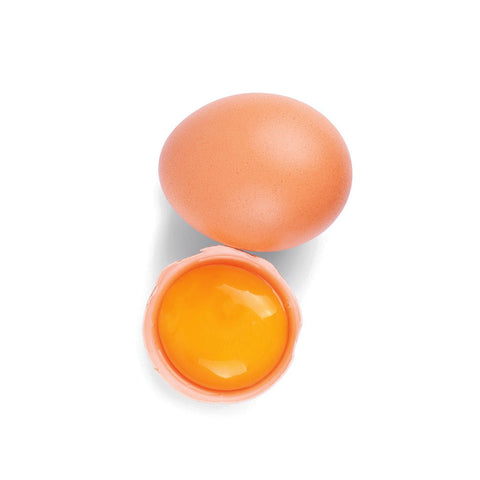
The most reliable way to tell if eggs are fresh is to look at them after cracking them. Crack the egg into a small dish and carefully examine the yolk and white. A truly fresh egg will have a tall, firm, and rounded yolk, with a full, uniform color, surrounded by a thick, compact white that gathers around the yolk, with a more gelatinous interior and a slightly more fluid outer ring.
As eggs age, the yolk tends to flatten and become "bulky," while the white becomes more runny and spreads rapidly on the plate. This doesn't necessarily mean the egg should be thrown away, but it does indicate that it's no longer among the freshest eggs. In these cases, it's best to consume it well-cooked, for example, hard-boiled or in baked dishes, avoiding raw or undercooked eggs.
Of course, your sense of smell never lies: if you notice an unpleasant, sulfurous, or unusual odor when opening an egg, it should be discarded immediately. The same applies if you notice unusual colors in the yolk or white, or the presence of foreign bodies. In our in-depth article on the negative effects of eggs, we explain when it's best to be especially careful, especially if you have a weakened gut or immune system.
Freshness is also important when it comes to how you consume eggs. If you plan to use them raw or semi-raw (for example, in zabaglione, homemade mayonnaise, or poached eggs with soft yolks), it's even more important to ensure they're high-quality, fresh eggs, as described in our articles on eggs and health and what happens if you eat eggs.

Fresh eggs, code and type of farming: what to look for
To truly choose fresh eggs, it's helpful to match what you see on your plate with what you read on the shell. The code printed on the egg tells you the type of farming, from cage-free to free-range, and its origin. In our article dedicated to the egg code, we explain in detail how to interpret numbers and letters to understand where the eggs you bring to your table actually come from.
Freshness, however, isn't just a matter of days: it also depends on how the chickens live and what they eat. That's why we've dedicated three specific articles to free-range eggs, cage-free eggs, and eggs for sale, to help you look beyond the label and understand when an egg is truly special.
Added to this is the nutritional aspect: in our in-depth article on the benefits of eggs, we explain why a fresh, good-quality egg can be a valuable ally for athletes, the elderly, and families. The relationship between eggs and cholesterol, as well as how many eggs a day and whether eating eggs every day is safe, also depend greatly on the quality of the egg and the rest of the diet.
Why Nu'ovo fresh eggs make the difference
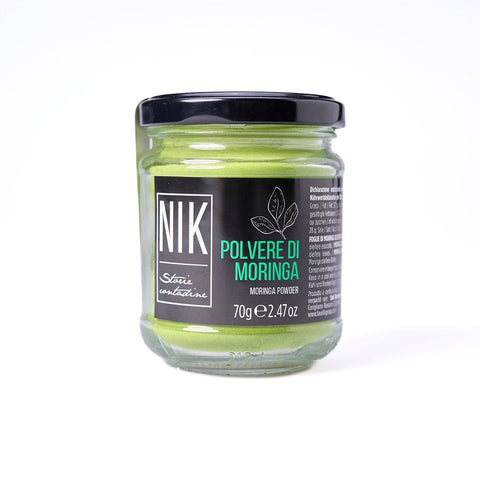
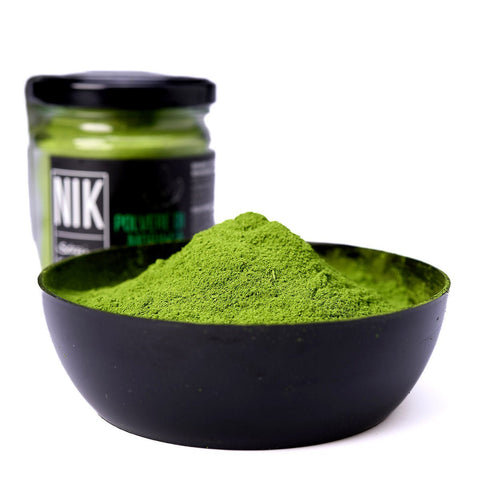
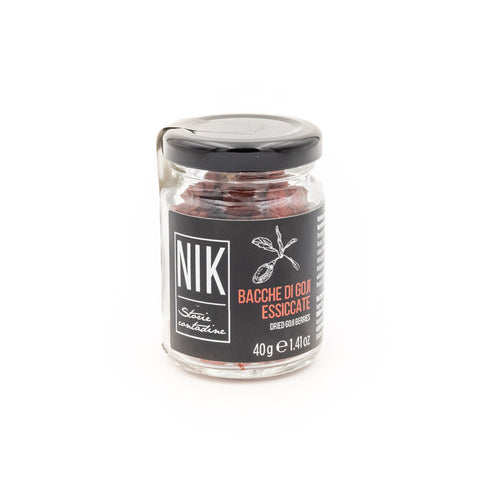
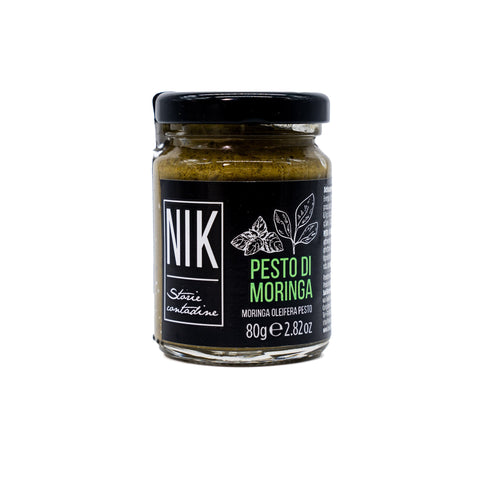
When we talk about fresh eggs in Favella, we're not just referring to the date they were laid, but to an entire agricultural process. In the article "Goji and Moringa Egg," we detail the story of Nu'ovo, our nutraceutical egg, made from hens raised on the Sibari plain and fed on goji berries and Moringa oleifera grown on the farm.
This special diet enriches our eggs with carotenoids and natural antioxidants, while maintaining all the characteristics of a fresh egg: a firm yolk, firm whites, and a full, clean flavor. The extremely short supply chain, direct control over every production phase, and strict adherence to shelf life allow us to bring fresh eggs to your table that combine tradition, scientific research, and well-being.
If you want to bring home fresh eggs that tell a story of local tradition, health, and innovation, discover our Nu'ovo fresh eggs “with Goji and Moringa”: a small daily gesture to help you choose better, with taste and awareness.





Comments (0)
There are no comments for this article. Be the first one to leave a message!